
Facial volume loss and jawline concerns in Adelaide
Facial Volume Loss
At Respect Cosmetic Medicine in Adelaide CBD, we start with a proper assessment of what is actually changing in your face and why. From there we talk honestly about what non-surgical treatment can do for you, including when it is not the right option.
Our Services
Why faces lose volume
Volume loss is rarely one thing. Several changes happen at once, at different rates for different people.
Fat pads shift and shrink. The face has distinct pockets of fat that give it shape. With age they reduce and move downward, which is why the cheeks flatten while the lower face can appear heavier. We can help you look younger!
Bone changes. The bones of the face slowly lose density and change shape, particularly around the eye sockets, cheekbones and jaw. That reduces the underlying support for the tissue sitting on top. Ask us how we can help!
Collagen and elastin decline. The skin becomes thinner and less elastic, so it holds its shape less well. We can assist with this to help you look your best!
Other factors. Significant weight loss, sun exposure, smoking and genetics all influence how early and how noticeably this happens. Some people have naturally slimmer faces or softer jawlines regardless of age.
What happens to the jawline
A defined jawline depends on firm skin, good structural support and volume sitting in the right places. As the cheeks lose volume and tissue descends, the lower face can develop jowls along the jaw and the line between jaw and neck becomes less distinct.
Some jawline concerns are about structure rather than ageing. A less prominent chin or a jaw that has always been soft in profile is common, and is assessed differently to age-related change.
How we assess volume loss and jawline concerns
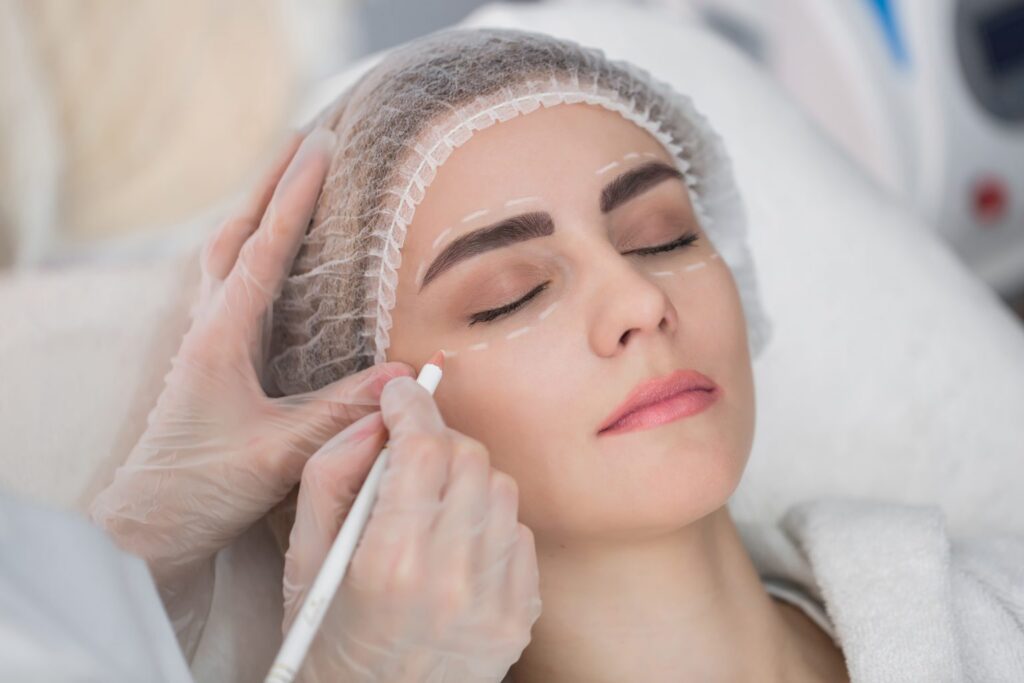
Your first appointment is a consultation, not a treatment. We look at:
- Where volume has changed, and where it has not
- The quality and laxity of your skin
- Facial structure and proportion, from the front and in profile
- Your medical history, medications and any previous cosmetic treatment
- What is bothering you and what you are hoping for
We will be direct about what is realistic. Where there is significant skin laxity, non-surgical treatment may offer limited improvement, and we will tell you that rather than recommend something unlikely to meet your expectations.
Where a prescription treatment may be suitable, you will be assessed by our registered nurse and doctors before anything is recommended. You are welcome to take time to think it over before deciding on any treatment.
Treatments are only provided to people aged 18 and over.
Treatment options
Non-surgical approaches to volume loss and jawline concerns aim to restore support in areas that have lost it and improve definition along the jaw and chin. The specific approach, the areas treated and whether treatment is appropriate at all are decided at consultation, based on your assessment.
For more on how we approach this, see volume restoration.
Skin quality also plays a part in how the lower face looks. Where appropriate we may discuss complementary skin treatments such as skin analysis and facial peels.
Risks and side effects
All cosmetic procedures carry risk, and these are discussed with you in detail at your consultation before any treatment goes ahead.
Common side effects can include swelling, bruising, tenderness, redness and temporary lumpiness in the treated area. These usually settle over days to a couple of weeks.
Our team will explain what to watch for after treatment and how to reach us.
Results vary from person to person, and no particular outcome can be guaranteed.
What to expect
Before. Tell us about any medications or supplements, particularly blood thinners, fish oil or anything that affects bruising. We may ask you to pause some of these beforehand if it is safe to do so. Avoid booking treatment close to a major event in case of swelling or bruising.
On the day. Our highly trained nurse of greater than 30 years, will confirm the plan with her medical colleagues and yourself, and answer any remaining questions.
Afterwards. You will be given written aftercare instructions and a way to contact the clinic. A follow-up appointment is usually arranged to review how you have settled.
Get in Touch
Don't be shy, contact us today
FAQs
Frequently Asked Questions
At what age does facial volume loss start?
It varies widely. Some people notice changes in their thirties, others much later. Genetics, weight changes, sun exposure and smoking all affect timing.
Can volume loss be treated without surgery?
Often, yes, depending on the cause and how much skin laxity is present. Where laxity is significant, non-surgical options may offer limited improvement. Your assessment will tell you which applies to you.
Can you improve a jawline that has always been soft?
Structural concerns such as a less prominent chin or jaw are assessed differently to age-related change. Whether treatment is suitable, and what it could realistically achieve, is discussed at consultation.
How long do results last?
It depends on the treatment, the area and the individual. Our staff will explain the expected duration for any option recommended to you.
What are the risks?
Common side effects include swelling, bruising and tenderness. Less common and rare but serious complications can occur. These are explained fully at consultation before any treatment.
Do I have to decide on treatment at my consultation?
No. You are welcome to go away and think about it, ask further questions, or decide treatment is not for you.
Book Your Free Initial Consultation
Don’t be shy and get in touch with the team at Respect today!
Book Your Free Initial Consultation
Don’t be shy and get in touch with the team at Respect today!